
The Medical Model Failed
Why Treatment Needs Less Pathology and More Presence

If you’ve been told that addiction is “a chronic, relapsing brain disease that you have to manage for the rest of your life”, you’ve been handed a half-truth. Treating chemical dependency purely as a medical defect misses the entire point of why people use substances in the first place. When we label a person as “broken” and needing a fix, we build a wall between clinical intervention and actual human healing.

For decades, the dominant conversation around recovery has forced people into a narrow box. On one side, you have strict abstinence. On the other, Medication-Assisted Treatment (MAT). These approaches are useful. They keep people alive, stabilize physiology, and manage the immediate health impacts of substance use. But they are treatments for symptoms, not the root cause.
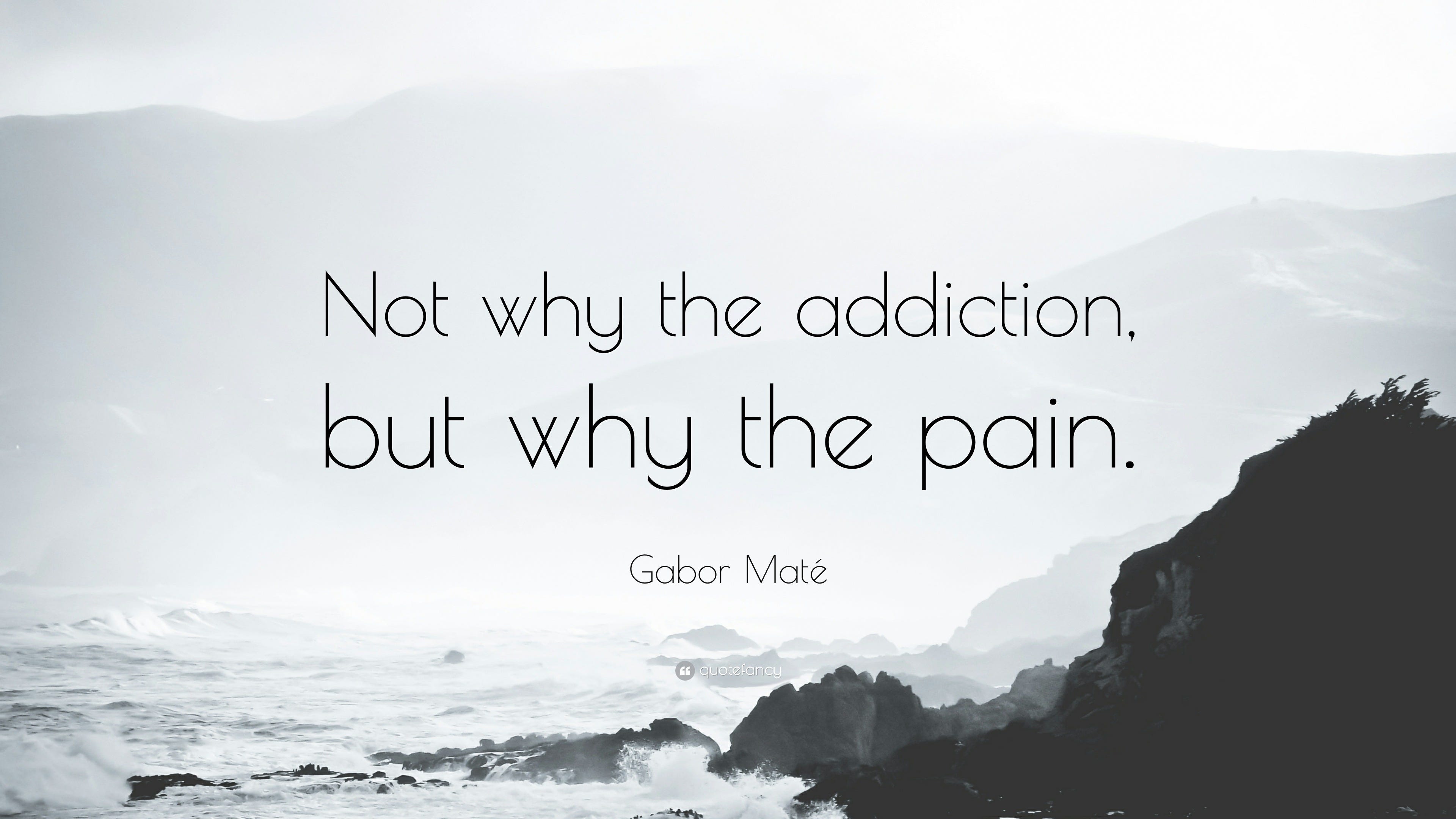
Think about the work of Dr. Gabor Maté, who famously notes that the question shouldn’t be “why the addiction?” but “why the pain?”. When you examine the actual origins of alcoholism, substance use, or self-harm, a different picture emerges. These behaviors do not start because a brain randomly misfires. They start as a dysregulated attempt by the body and mind to survive.
Addiction is a protective mechanism. It is a response to trauma, emotional dysregulation, and perceived threats. When a person’s nervous system is overwhelmed by pain or unsafety, the mind searches for a solution to cope. In that light, using a substance isn’t a sign of a broken system; it’s a brilliant, desperate attempt by the body to protect itself from unbearable distress.
As practitioners, coaches, and therapists, we have to acknowledge our own biases. The sterile, clinical lens of “professional treatment” often gets in the way of meeting people where they actually are. By focusing so heavily on diagnostics and disorders, we create a distance that prevents real connection.
Transformational figures in the field, like Jason Shiers, advocate for looking past the behavioral symptoms to see the innate psychological health that exists in everyone. This aligns closely with harm reduction principles, which prioritize a person’s immediate safety and autonomy over rigid clinical expectations.
In his brilliant book, “Infinite Recovery Project”, Shiers shares his personal journey through addiction, arguing that such behaviors are intelligent coping mechanisms used to soothe unresolved trauma rather than signs of being “broken.”
True empathy requires us to drop the clinical armor. It forces us to realize that every single one of us is recovering from something. We all have strategies to cope with discomfort and vulnerability.
If we want to create an environment where genuine transformation can happen, we have to move past pathology. We need to offer less clinical sterility and more simple presence.
The purpose of the Inner Alchemy Recovery Reset program, for example, approaches recovery through a lens of spiritual awakening and somatic coaching, realizing one’s inherent “okayness” is the key to lasting behavioral change.
Healing doesn’t happen because a patient conforms to a label; it happens when a human being feels seen, understood, and safe enough to let down their guard.